Did you know that flammability can determine the safety of materials in our daily lives? Understanding how materials react to fire is crucial. In this article, we’ll explore what a flammability tester is and why it matters. You’ll learn about various flammability tests and their significance across industries like construction and textiles.
Understanding Flammability Testing
What is Flammability?
Flammability refers to how easily a material can ignite and sustain combustion. It is a critical property that helps determine the safety of materials used in various applications. Materials are classified based on their flammability into categories such as non-combustible, combustible, and highly flammable.
The classification process involves standardized tests that measure ignition temperature, flame spread, and smoke production. For example, materials may be tested under specific conditions, such as exposure to a flame for a designated time. This ensures consistency in results, allowing manufacturers and safety regulators to assess material performance accurately.
Flammability Classification | Description |
Non-combustible | Does not ignite or burn. |
Combustible | Ignites easily but burns slowly. |
Highly flammable | Ignites quickly and burns rapidly. |
Why is Flammability Testing Important?
Flammability testing plays a vital role in ensuring safety across industries. It helps to identify materials that may pose fire risks, protecting lives and property. For example, construction materials must meet specific flammability standards to comply with building codes. These codes are designed to minimize the risk of fire spread in structures, ensuring safer living and working environments.
Moreover, flammability testing impacts manufacturers significantly. Companies must ensure their products meet safety regulations to avoid legal liabilities. If a product fails to pass flammability tests, it may lead to recalls, lawsuits, and damage to brand reputation.
Consider this: inadequate flammability testing can result in catastrophic consequences. A single flammable material in a structure can compromise the safety of an entire building. This is why rigorous testing is essential, not just for compliance but for public safety.
In summary, understanding flammability and its testing is crucial for manufacturers, consumers, and regulatory bodies alike. It shapes the safety landscape of various industries, from textiles to electronics, where the risk of fire can have dire consequences.
Types of Flammability Tests
Overview of Flammability Test Methods
Flammability testing is essential for ensuring the safety of materials used in various applications. Different methods exist to evaluate how materials react to fire, and these tests are governed by established standards. Key organizations, such as ASTM (American Society for Testing and Materials) and UL (Underwriters Laboratories), set these standards to provide reliable and consistent results.
Here are some commonly used flammability test methods:
● ASTM E2652-22: This standard assesses the combustibility of materials using a tube furnace with a specific airflow setup. It measures how materials behave at high temperatures, ensuring they meet safety criteria.
● ASTM E2187-24: This method evaluates the ignition strength of cigarettes, which is crucial for understanding the risks associated with smoking materials.
● ASTM E119-24: This standard outlines fire tests for building construction materials, helping to determine their performance during exposure to fire.
Flammability Test Method | Description | Application |
ASTM E2652-22 | Tests combustibility using a tube furnace. | Building materials, textiles. |
ASTM E2187-24 | Measures ignition strength of cigarettes. | Cigarette manufacturing. |
ASTM E119-24 | Evaluates fire resistance of building materials. | Construction, safety regulations. |
UL 94 | Assesses flammability ratings for plastics. | Electronics, consumer products. |
Standardization in flammability testing is crucial. It ensures that tests are conducted consistently, providing reliable data for manufacturers and regulators. When materials undergo the same tests, it allows for fair comparisons and helps identify which materials are safer for use in specific applications.
Moreover, these standards guide manufacturers in developing products that comply with safety regulations. By adhering to established flammability tests, companies can mitigate risks and enhance consumer safety. This is especially important in industries where fire hazards can lead to severe consequences, such as construction, automotive, and electronics.
In summary, understanding the various flammability test methods and their significance helps ensure that products meet safety standards. It also empowers consumers to make informed decisions about the materials they use in their daily lives.
Common Flammability Tests
UL 94 Standard
The UL 94 standard is one of the most recognized flammability tests for materials, especially plastics. It evaluates how materials respond to ignition sources and classifies them based on their burning characteristics. This standard is significant because it helps manufacturers ensure their products meet safety requirements, which is crucial in industries like electronics and automotive.
Under UL 94, materials are classified into several categories:
● V-0: Materials that extinguish within 10 seconds after the flame is removed and do not produce dripping.
● V-1: Similar to V-0, but materials may drip and still extinguish within 30 seconds.
● V-2: Materials can drip flaming particles but must extinguish within 30 seconds.
● HB: These materials burn slowly and are tested on a horizontal plane.
UL 94 Classification | Criteria | Significance |
V-0 | Extinguishes within 10 seconds, no dripping. | Highest level of safety. |
V-1 | Extinguishes within 30 seconds, may drip. | Moderate safety, acceptable for many applications. |
V-2 | Dripping allowed, extinguishes within 30 seconds. | Lower safety, used in less critical applications. |
HB | Burns slowly on a horizontal plane. | Suitable for general use. |
ASTM D635 Flammability Test
The ASTM D635 test measures the flammability of materials by determining their burning rate. This test is particularly important for materials used in construction and manufacturing, as it provides insights into how quickly a material can ignite and sustain a flame.
During the test, a sample is placed in a controlled environment and exposed to a flame for a specific duration. The results indicate how fast the material burns and whether it meets safety standards.
This test is often complemented by other ASTM standards, such as:
● ASTM E136-26: This standard assesses the non-combustibility of building materials.
● ASTM E814-24: This evaluates firestop systems in construction.
Other Relevant Standards
In addition to UL and ASTM standards, several other flammability standards exist globally. For instance, ISO 3795 focuses on the flammability of materials used in road vehicles, while IEC standards address electrical equipment safety.
These standards complement UL and ASTM tests by providing additional criteria for evaluating material safety. They help define safety measures essential for various industries, ensuring that materials can withstand fire hazards effectively.
Using a combination of these standards allows manufacturers to develop safer products and comply with regulatory requirements, ultimately protecting consumers and reducing fire risks in everyday applications.
The Role of a Flammability Tester
What is a Flammability Tester?
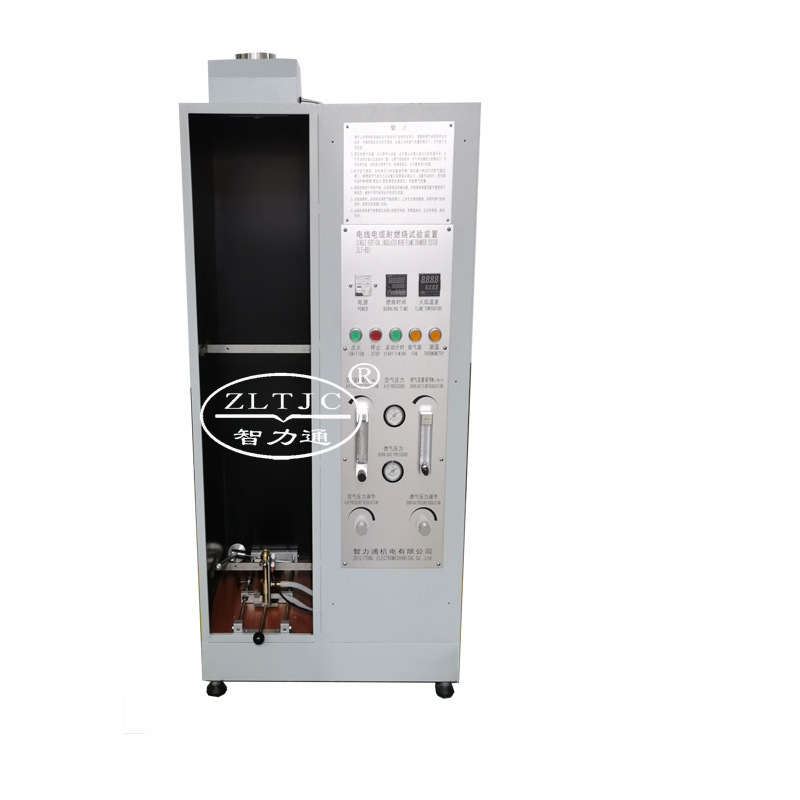
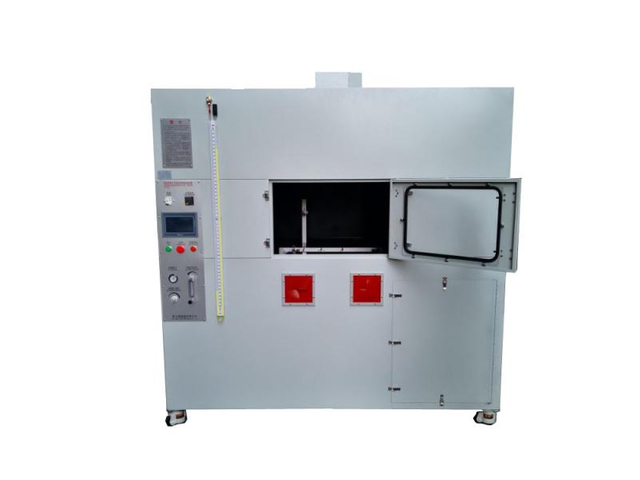
A flammability tester is an essential device used to evaluate how materials react to fire. Its primary purpose is to determine the ignition, burning rate, and overall flammability of various substances. This is crucial in industries where fire safety is a top priority, such as textiles, construction, and electronics.
There are several types of flammability testers designed for different applications. For example, some testers assess the flammability of fabrics, while others evaluate plastics or building materials. Each type of tester has specific features tailored to meet industry standards and safety regulations.
Type of Flammability Tester | Application |
Fabric Flammability Tester | Tests textiles for ignition and burn rates. |
Cone Calorimeter | Measures heat release and combustion characteristics. |
Oxygen Consumption Calorimeter | Evaluates the amount of oxygen consumed during combustion. |
How Does a Flammability Tester Work?
The testing process typically involves exposing a sample material to a controlled flame under specific conditions. The tester measures various parameters, such as ignition time, flame spread, and smoke production. These metrics help determine how the material behaves when exposed to fire.
Key components of a flammability tester include:
● Ignition Source: Provides the initial flame for testing.
● Sample Holder: Secures the material in place during the test.
● Measurement Instruments: Capture data on burning rates, temperatures, and emissions.
Safety measures are critical during testing to protect operators and ensure accurate results. This includes using proper ventilation, wearing protective gear, and following standard operating procedures.
For instance, the cone calorimeter is a widely used apparatus that measures heat release rate and total heat release. It provides detailed information about a material's fire performance. Another important device is the oxygen consumption calorimeter, which assesses the amount of oxygen consumed during combustion, giving insights into the material's efficiency in burning.
Choosing the Right Flammability Tester
Selecting the appropriate flammability tester involves considering various factors. First, think about the material type you will be testing. Different materials require specific testing methods to ensure accuracy.
Next, consider the relevant testing standards applicable to your industry. For example, textiles may need to comply with specific ASTM or UL standards, while construction materials might follow different regulations. Consulting with testing laboratories can help ensure compliance with these standards.
Here are some recommendations for different industries:
● Textiles: Use fabric flammability testers that comply with ASTM D6413.
● Construction: Choose cone calorimeters or other standards that align with ASTM E119.
● Electronics: Look for testers that meet UL 94 standards for plastic materials.
By understanding the role of flammability testers and choosing the right one, manufacturers can enhance safety and ensure compliance with regulatory requirements.
Interpreting Flammability Test Results
Understanding Test Results
Interpreting flammability test results is crucial for manufacturers and safety regulators. These results provide insights into how materials react under fire conditions. When reading these results, it's essential to focus on common metrics that help gauge material performance.
Key metrics include:
● Burning Rate: This measures how quickly a material ignites and burns. A lower burning rate indicates better fire resistance, making the material safer for use in applications where fire hazards exist.
● Afterglow Time: This metric indicates how long a material continues to emit heat or glow after the flame is removed. A shorter afterglow time is preferable, as it reduces the risk of reignition.
Metric | Description | Implication |
Burning Rate | Speed at which material ignites and burns. | Lower rates indicate better safety. |
Afterglow Time | Duration of heat emission after flame removal. | Shorter times reduce reignition risk. |
Implications of Flammability Test Results
The results from flammability tests have significant implications for product design and manufacturing. For instance, if a material exhibits a high burning rate, manufacturers may need to reconsider its use in specific applications. This could lead to redesigning products to incorporate safer materials or adding fire-retardant treatments.
Moreover, flammability test results are vital for regulatory compliance. Many industries require products to meet specific flammability standards to be marketable. Failing to comply with these regulations can result in costly recalls or legal issues.
Additionally, test results can influence insurance requirements and building codes. Insurers often consider the flammability of materials when determining coverage rates. Buildings constructed with materials that have passed rigorous flammability tests may qualify for lower insurance premiums. Similarly, building codes often mandate the use of certain materials based on their flammability ratings, ensuring safer structures.
In summary, understanding and interpreting flammability test results is crucial for manufacturers, regulators, and consumers. These results not only guide product development but also play a significant role in ensuring safety and compliance across various industries.
Conclusion
Flammability testing is vital for ensuring safety in various industries. It helps identify materials that can withstand fire hazards effectively. Choosing the right flammability tester is crucial for accurate results. Understanding these test results empowers manufacturers to make informed decisions. Proactive measures in flammability testing enhance safety across applications, protecting lives and property. At Zhilitong, we offer advanced testing solutions that ensure compliance and reliability, providing exceptional value to our customers.
FAQ
Q: What is a flammability tester?
A: A flammability tester is a device used to evaluate how materials react to fire. It measures ignition, burning rates, and overall flammability.
Q: Why is flammability testing important?
A: Flammability testing is crucial for ensuring safety in products. It helps prevent fire hazards and ensures compliance with industry standards.
Q: How does a flammability tester work?
A: A flammability tester exposes materials to a flame and measures key metrics like burning rate and afterglow time to assess fire performance.
Q: What are the benefits of using a flammability tester?
A: Using a flammability tester helps manufacturers ensure product safety, comply with regulations, and improve marketability by demonstrating fire resistance.
Q: How much does a flammability tester cost?
A: The cost of a flammability tester varies based on its features and specifications. Basic models may start at a few hundred dollars, while advanced testers can be significantly more expensive.


