Have you ever wondered how safe your everyday items really are? Flammability testing plays a crucial role in ensuring safety. A flammability tester evaluates how materials react to fire, preventing potential hazards. In this post, we’ll explore the methods and importance of flammability testing. You’ll learn how various industries, like construction and automotive, rely on these tests for safety standards.
What Does a Flammability Tester Do?
A flammability tester plays a vital role in ensuring the safety of materials used in various industries. Their primary responsibility is to assess how different substances react when exposed to fire or high temperatures. This evaluation helps identify potential hazards, ensuring that products meet safety standards before they reach consumers.
Role and Responsibilities
Flammability testers are responsible for conducting rigorous tests on materials, which include textiles, plastics, and foams. They prepare samples, set up testing environments, and carefully monitor the reactions of materials to flames. This process requires keen attention to detail, as even minor variations in testing conditions can significantly affect results.
In addition to performing tests, flammability testers must document their findings meticulously. This documentation includes detailed reports that outline the test procedures, observations, and outcomes. These reports are crucial for manufacturers seeking compliance with safety regulations, as they demonstrate that products have undergone thorough testing.
Tools and Equipment Used in Flammability Testing
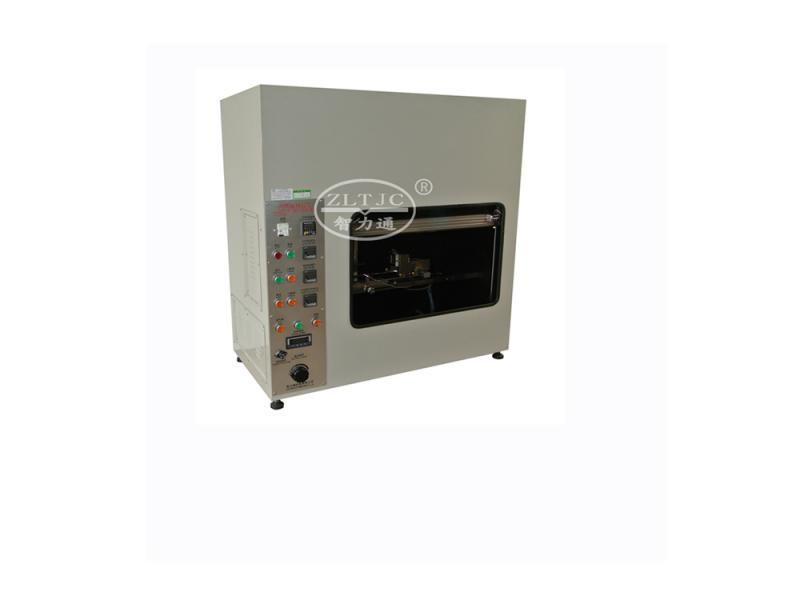
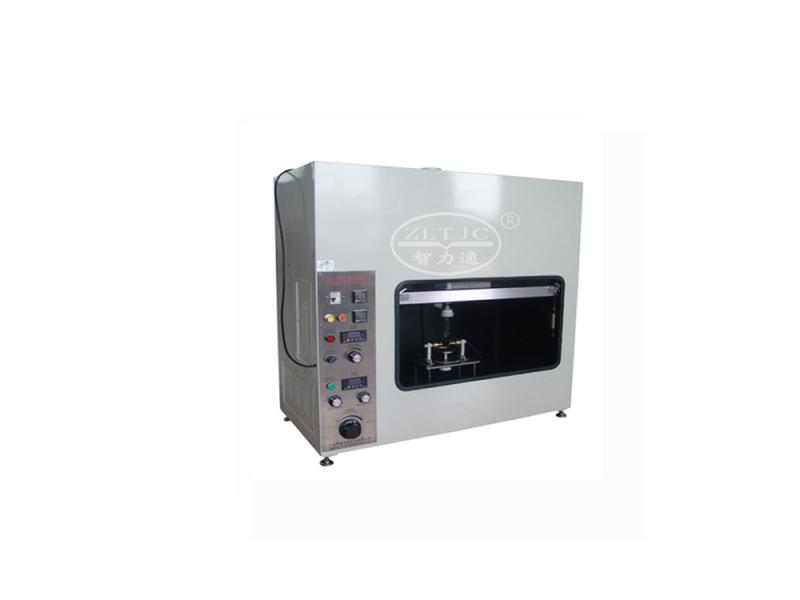
Flammability testing relies on a variety of specialized tools and equipment. Here’s an overview of some essential items:
Equipment | Purpose |
Test Chambers | Controlled environments for conducting tests. |
Flame Sources | Standardized flames for consistent testing. |
Temperature Sensors | Monitor heat levels during tests. |
Smoke Detectors | Detect smoke production during combustion. |
Data Collection Systems | Record and analyze test results. |
These tools enable testers to create controlled conditions that mimic real-life fire scenarios.
Importance of High-Tech Sensors
High-tech sensors play a crucial role in monitoring flammability tests. They provide real-time data on various factors, such as temperature fluctuations, flame spread rates, and smoke production. This technology allows testers to gather accurate measurements, which are essential for understanding how materials behave under fire exposure.
For example, advanced sensors can track the speed at which flames spread across a sample. This information is vital for determining whether a material meets safety standards. Moreover, video recording technology captures the entire testing process, allowing for a thorough analysis of material behavior during combustion.
In summary, the work of a flammability tester is multifaceted and integral to product safety. By employing advanced tools and technologies, they ensure that materials are thoroughly evaluated, helping to prevent potential fire hazards in everyday products.
The Science Behind Flammability
Understanding how materials catch fire involves delving into the chemistry of combustion. When a material ignites, a series of chemical reactions occur, leading to the release of heat and light. This process requires three key elements: fuel, heat, and oxygen. This trio is often referred to as the "fire triangle." Removing any one of these components can prevent or extinguish a fire.
How Materials Catch Fire: The Chemistry of Combustion
Materials typically catch fire when they reach their ignition temperature. At this point, the heat causes the material's molecules to break apart, releasing flammable gases. These gases mix with oxygen in the air, creating a combustible mixture. Once ignited, the fire can spread rapidly if the material is conducive to combustion.
For example, consider the combustion of wood. When wood burns, it releases volatile gases that ignite and produce flames. The remaining solid material, known as char, continues to burn until all the fuel is consumed. This illustrates how different materials have unique combustion characteristics based on their chemical composition.
Factors Affecting Flammability
Several factors influence a material's flammability, including:
● Material Composition: Different substances have varying chemical structures, which affect how easily they ignite. For instance, synthetic fabrics may catch fire more quickly than natural fibers.
● Environmental Conditions: Factors such as temperature, humidity, and airflow can significantly impact flammability. Higher temperatures can lower the ignition point of materials, while increased airflow can enhance flame spread.
● Surface Area: The greater the surface area of a material exposed to heat, the more likely it is to ignite. This is why finely powdered substances can be more flammable than larger chunks of the same material.
Factor | Description |
Material Composition | Determines ignition temperature and combustion properties. |
Environmental Conditions | Influences how quickly a fire can start and spread. |
Surface Area | Affects the likelihood of ignition and flame spread. |
The Significance of Thermal Tests
Thermal tests are essential for evaluating the flammability of materials. Organizations like ASTM, NFPA, and ISO have developed standardized methods to assess how materials respond to heat and flames. These tests help ensure compliance with safety regulations across various industries.
Some common thermal testing methods include:
● Cone Calorimeter Test: Measures heat release rate, which indicates how much energy a material can release during combustion.
● Thermogravimetric Analysis (TGA): Evaluates changes in a material's weight as it is heated, helping to identify decomposition temperatures.
● Limiting Oxygen Concentration (LOC): Determines the minimum oxygen level required for combustion, providing insights into how materials will behave in different environments.
These tests are vital for understanding the fire behavior of materials, ensuring that products are safe for consumer use. By employing these standardized methods, flammability testers can accurately predict how materials will react in real-life fire scenarios.
Preparing for Flammability Testing
Preparing for flammability testing is crucial to ensure accurate and reliable results. This phase involves careful specimen preparation and environmental controls, both of which significantly impact the outcomes of the tests.
Specimen Preparation
The first step in flammability testing is specimen preparation, where the size and condition of samples play a vital role. According to guidelines like ISO 3795, specific measurements must be adhered to for consistency. For example, samples should typically be cut into standardized dimensions, such as 100 mm x 100 mm for textiles. This uniformity allows for comparable results across different tests.
Proper conditioning of samples is equally important. Before testing, materials should be stored in controlled environments to prevent moisture absorption or degradation. A dry environment is essential for fabrics, as moisture can alter their flammability characteristics. For instance, a wet fabric may ignite differently compared to a dry one, leading to misleading test results.
Sample Type | Recommended Size | Conditioning Requirements |
Textiles | 100 mm x 100 mm | Store in a dry environment for 24 hours before testing. |
Plastics | 150 mm x 150 mm | Condition at room temperature for 48 hours prior to testing. |
Foams | 200 mm x 200 mm | Ensure samples are free from contaminants and stored properly. |
Environmental Controls
Environmental controls are essential for establishing consistent testing conditions. Factors such as temperature and humidity can greatly influence the flammability of materials. For example, higher temperatures can lower the ignition point of certain substances, while humidity can affect moisture content.
Testing laboratories often maintain specific temperature ranges, typically between 20°C to 25°C (68°F to 77°F), to ensure that all materials are tested under similar conditions. Humidity levels should also be controlled, ideally kept below 50% to minimize the effects of moisture on the samples.
To illustrate the importance of these controls, consider the following:
● Temperature Variations: A material tested at 30°C may ignite more easily than the same material tested at 20°C. This variation can lead to inconsistent data.
● Humidity Effects: High humidity can cause some materials to swell or absorb water, changing their flammability properties. For instance, wood products may become more difficult to ignite when saturated.
By carefully preparing specimens and controlling environmental factors, flammability testers can ensure that their results are accurate and reflective of real-world conditions. This meticulous approach is vital for maintaining safety standards across various industries.
Conducting Flammability Tests
Conducting flammability tests is a meticulous process that ensures materials are evaluated accurately for safety. Every step, from setting up the test area to analyzing the data, is crucial for obtaining reliable results.
Step-by-Step Process of Conducting a Flammability Test
The first step in conducting a flammability test involves setting up the test area. This area must be well-ventilated and equipped with safety measures, such as fire extinguishers and safety gear. Proper setup minimizes risks during testing and ensures a controlled environment.
1. Prepare the Test Area: Ensure all safety equipment is accessible. The area should be free from any flammable materials that could interfere with the test.
2. Calibrate Equipment: Before starting, calibrate all testing equipment, including sensors and flame sources. This calibration is essential for accurate readings.
3. Place the Sample: Position the specimen according to standardized guidelines. For instance, textiles should be laid flat, while rigid materials may need to be secured.
4. Initiate the Test: Once everything is set, ignite the flame source and begin the test.
Monitoring and recording observations throughout the test is vital. It allows testers to capture how the material reacts in real-time. Observations should include:
● Ignition Time: How quickly the material ignites.
● Flame Spread Rate: The speed at which flames travel across the sample.
● Smoke Production: The amount and type of smoke generated during combustion.
Importance of Data Collection Methods
Data collection methods play a significant role in ensuring the reliability of test results. One effective method is video recording. By documenting the entire testing process, testers can review the footage for detailed analysis later. This method also provides visual evidence of the material's behavior during the test, which can be crucial for compliance reporting.
Observation Type | Description |
Ignition Time | Time taken for the material to catch fire. |
Flame Spread Rate | Speed at which flames move across the material. |
Smoke Production | Amount and density of smoke released during combustion. |
Data Collection and Analysis
After conducting the test, data collection and analysis begin. Testers compile their observations into a comprehensive report. This report should detail every aspect of the test, including conditions, observations, and any anomalies encountered.
Interpreting the data involves comparing it against established safety standards. For example, if a material ignites within a certain timeframe, it may be deemed unsafe for specific applications.
The significance of comprehensive reporting cannot be overstated. These reports are essential for safety compliance, as they demonstrate that materials have been rigorously tested. Regulatory bodies often require such documentation to ensure that products meet safety standards before reaching consumers. By providing clear and thorough reports, flammability testers contribute to the overall safety of products in various industries.
Quality Assurance in Flammability Testing
Quality assurance in flammability testing is essential for ensuring that materials meet safety standards. Accurate testing results are not just numbers; they can mean the difference between safe products and potential hazards. Therefore, understanding the importance of accuracy, quality control measures, and laboratory accreditation is crucial.
Importance of Accuracy in Testing
Accurate results in flammability testing are critical for several reasons. First and foremost, they directly impact safety. If a material is inaccurately assessed, it may be used in applications where it poses a fire risk, potentially leading to injuries or property damage. For example, textiles used in children's clothing must meet stringent flammability standards to prevent accidents.
To illustrate this importance, consider the following:
● Consumer Safety: Accurate testing ensures that products are safe for everyday use, protecting consumers from fire hazards.
● Regulatory Compliance: Many industries are governed by strict safety regulations. Accurate results are essential for meeting these legal requirements.
● Reputation Management: Companies rely on accurate testing to maintain their reputation. A single incident of failure can lead to significant financial and reputational damage.
Quality Control Measures in Testing Laboratories
To ensure accuracy, testing laboratories implement various quality control measures. Regular calibration and maintenance of testing equipment are fundamental practices. Equipment must be checked frequently to ensure it operates within specified parameters. This calibration ensures that results remain consistent over time.
Moreover, internal audits and proficiency testing are vital components of a quality assurance program. Internal audits involve systematic checks of laboratory processes and protocols to ensure compliance with established standards. Proficiency testing, on the other hand, involves comparing results from different laboratories to verify accuracy.
Quality Control Measure | Description |
Calibration | Regular checks to ensure equipment accuracy. |
Internal Audits | Systematic reviews of laboratory processes. |
Proficiency Testing | Comparison of results among laboratories for consistency. |
Laboratory Accreditation
Laboratory accreditation signifies that a lab meets specific standards of quality and competence. When a laboratory is accredited, it demonstrates its commitment to maintaining high testing standards. Accreditation is typically granted by recognized bodies that evaluate laboratories based on established criteria.
Key accreditation bodies include:
● ISO (International Organization for Standardization): Provides global standards for quality management and testing.
● ANSI (American National Standards Institute): Oversees the development of voluntary consensus standards for products, services, and systems.
● A2LA (American Association for Laboratory Accreditation): Focuses on the accreditation of testing and calibration laboratories.
The role of independent examiners in ensuring quality cannot be overstated. These examiners assess laboratories to verify compliance with standards, providing an objective evaluation of testing practices. Their assessments help maintain integrity in the testing process, ensuring that results are reliable and trustworthy.
By prioritizing quality assurance in flammability testing, laboratories contribute to the safety and reliability of products across various industries, ultimately protecting consumers and enhancing product integrity.
Conclusion
Flammability testing is crucial for ensuring product safety. It helps prevent fire hazards in various applications. As materials evolve, the need for innovative testing methodologies grows. Companies like Zhilitong are at the forefront, offering advanced solutions that enhance safety and compliance. Their products provide unique advantages, ensuring reliable results that meet industry standards. Zhilitong's commitment to quality helps protect consumers while promoting safety in everyday products.
FAQ
Q: What is flammability testing?
A: Flammability testing assesses how materials react to fire. It helps determine their safety in various applications.
Q: How is a flammability tester used?
A: A flammability tester measures ignition time, flame spread, and smoke production during tests to evaluate material safety.
Q: Why is flammability testing important?
A: It ensures products meet safety standards, preventing fire hazards and protecting consumers.
Q: What are the advantages of using a flammability tester?
A: A flammability tester provides accurate data, ensuring compliance with safety regulations and enhancing product reliability.
Q: How much does flammability testing cost?
A: Costs vary based on the material and testing method, but investing in a flammability tester is crucial for safety compliance.
Q: What should I look for in a flammability tester?
A: Look for accuracy, calibration standards, and compliance with recognized safety regulations to ensure reliable results.


