Have you ever wondered how scientists identify metal ions? Flame tests are a fascinating method that reveals the unique colors emitted by different metals. In this article, we will explore the apparatus used in flame tests, including the essential flammability tester. Understanding this equipment is crucial for obtaining accurate results in chemical analysis. You’ll learn about the tools required for flame tests and their significance in various applications.
Understanding Flame Tests
What is a Flame Test?
A flame test is a simple analytical technique used to identify metal ions based on the colors they emit when heated in a flame. When a sample is introduced to a flame, the metal ions absorb energy, causing their electrons to become excited. As these electrons return to their ground state, they release energy in the form of light, producing characteristic colors.
Definition and Purpose of a Flame Test
The primary purpose of a flame test is to provide a quick and qualitative analysis of metal ions. By observing the color of the flame, we can infer the presence of specific elements in a sample. This method is particularly useful in educational settings, where students can visually connect the concept of electron transitions with real-world applications.
Historical Context and Evolution of the Flame Test in Chemistry
Flame tests have been used since the late 19th century, evolving alongside advancements in analytical chemistry. Initially, this technique was a practical tool for chemists to identify metals in various compounds. Over time, it has been supplemented by more sophisticated methods, such as atomic emission spectroscopy, yet it remains popular in educational laboratories due to its simplicity and visual appeal.
Why Flame Tests are Important
Flame tests serve multiple purposes across various fields, making them invaluable in both educational and industrial contexts.
Applications in Various Fields
● Education: In classrooms, flame tests are used to teach students about chemical properties and electron behavior. They provide a hands-on experience that enhances understanding.
● Industrial Applications: Industries utilize flame tests for quality control, ensuring that materials meet specific standards. For example, manufacturers may test metal alloys to confirm their composition.
Field | Application |
Education | Teaching chemical principles |
Manufacturing | Quality control of materials |
Environmental Testing | Identifying pollutants in samples |
Advantages of Using Flame Tests for Qualitative Analysis
1. Speed and Simplicity: Flame tests can be performed quickly, allowing for immediate results without complex equipment.
2. Visual Appeal: The colorful flames capture attention and make the process engaging, especially for students.
3. Cost-Effective: This method requires minimal equipment, making it accessible for educational institutions and small laboratories.
In summary, flame tests are a fundamental technique in chemistry. They offer a blend of simplicity, visual impact, and practical applications, making them a staple in both learning environments and industrial practices.
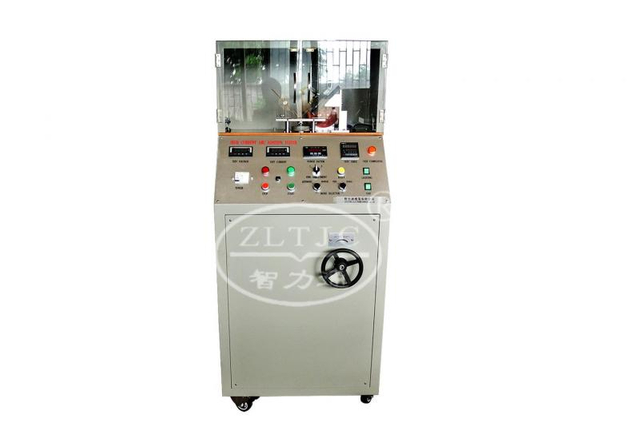
Key Apparatus Used in Flame Tests
1. Bunsen Burner
A Bunsen burner is a fundamental piece of equipment in flame tests. It provides a controlled flame that can be adjusted for size and intensity. The burner operates by mixing gas, usually natural gas or propane, with air, allowing for a clean and consistent flame.
Importance of the Bunsen Burner
The Bunsen burner is crucial for achieving a stable flame, which is essential for accurate results in flame tests. A consistent flame ensures that the color produced by the metal ions is not influenced by fluctuations in heat or combustion conditions. This reliability makes it a staple in both educational and professional laboratories.
Variations of Bunsen Burners
Bunsen burners come in various designs, each suited for specific applications. For instance, some models have adjustable air vents for better flame control, while others may include built-in safety features. Choosing the right burner can enhance the quality of the flame test results.
Type of Bunsen Burner | Features | Best Use |
Standard | Basic flame control | General laboratory use |
Microburner | Small flame, precise control | Small-scale experiments |
Safety Bunsen Burner | Built-in safety features | Educational settings |
2. Nichrome or Platinum Wire Loop
The wire loop is another critical component in flame tests. It is used to hold the sample that will be introduced into the flame. Nichrome and platinum are the most common materials for these loops due to their high melting points and resistance to corrosion.
Comparison of Nichrome and Platinum Wire Loops
While both materials serve the same purpose, there are differences. Nichrome is more affordable and suitable for routine tests, while platinum is preferred for high-precision work due to its inert properties. Platinum loops do not react with samples, ensuring no contamination occurs.
Cleaning Procedures to Avoid Contamination
To ensure accurate results, it’s vital to clean the wire loop thoroughly between tests. A common method involves dipping the loop in concentrated hydrochloric acid (HCl) and then rinsing it with distilled water. This process removes any residual contaminants that could interfere with the flame test.
3. Concentrated Hydrochloric Acid (HCl)
Concentrated hydrochloric acid plays a significant role in the cleaning process of the wire loop. It effectively dissolves metal ions and other residues that may cling to the loop after previous tests.
Safety Precautions When Handling HCl
When working with HCl, safety is paramount. Always wear protective gear, including gloves and goggles, to prevent skin and eye irritation. Additionally, work in a well-ventilated area to avoid inhaling harmful fumes.
4. Samples (Metal Halides)
In flame tests, metal halides such as lithium chloride (LiCl), sodium chloride (NaCl), and potassium chloride (KCl) are commonly used. These compounds are chosen for their volatility and ability to produce distinct flame colors.
Explanation of Why Metal Halides are Preferred
Metal halides are preferred because they readily vaporize when heated, allowing metal ions to be released into the flame. This release is what produces the characteristic colors associated with different metals, making them ideal for qualitative analysis.
Importance of Sample Purity
To achieve accurate results, it’s crucial that the samples used are pure. Impurities can alter the flame color, leading to incorrect conclusions about the metal ions present. Therefore, using high-purity reagents is essential for reliable flame test outcomes.
5. Cobalt Glass
Cobalt glass serves an important function during flame tests. It is used to filter out unwanted colors, particularly the bright yellow emission from sodium ions, which can obscure the results of other tests.
Situations Where Cobalt Glass is Essential
Cobalt glass is especially useful when testing for metals that emit weak blue or violet colors. In these cases, the interference from sodium can make it difficult to identify the correct metal ion. By using cobalt glass, we can enhance the visibility of the desired flame colors, leading to more accurate identifications.
Apparatus | Purpose |
Bunsen Burner | Provides a controlled flame |
Wire Loop | Holds the sample for testing |
Hydrochloric Acid | Cleans the wire loop |
Metal Halides | Produces distinct flame colors |
Cobalt Glass | Masks unwanted flame colors |
This diverse range of apparatus ensures that flame tests are conducted efficiently and accurately, providing reliable results that are essential for identifying metal ions in various samples.
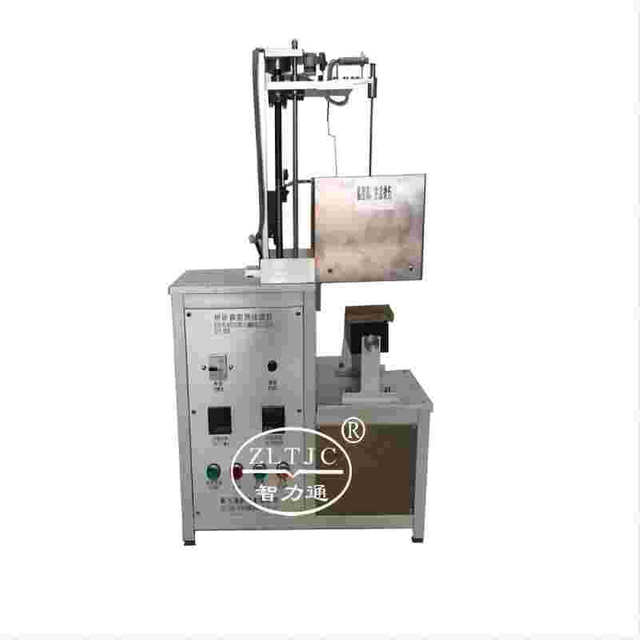
Additional Equipment for Flame Tests
Flammability Tester
A flammability tester is a specialized device designed to assess the flammability of materials. Its primary purpose is to determine how easily a substance can ignite and sustain combustion. This information is crucial in various industries, including manufacturing, where safety standards are essential.
How it Relates to Flame Tests and Fire Hazard Assessments
Flammability testers are closely related to flame tests, as both methods evaluate the behavior of materials in the presence of fire. While flame tests focus on identifying metal ions through color emissions, flammability testers provide a broader understanding of how materials react to flames. This relationship is vital for fire hazard assessments, ensuring that products meet safety regulations.
Overview of Standards for Flammability Testing
Several standards guide flammability testing, ensuring consistency and reliability in results. One significant standard is IEC 60695, which outlines test methods for assessing the fire hazard of materials. This standard is widely used internationally and helps manufacturers comply with safety regulations.
Standard | Description |
IEC 60695 | Specifies methods for evaluating flammability |
ASTM D2863 | Measures the limiting oxygen index (LOI) |
UL 94 | Tests horizontal and vertical flammability ratings |
Description of the Needle Flame Test Apparatus
The Needle Flame Test Apparatus is a specific device used to evaluate the flammability of small samples. It uses a controlled flame to assess how quickly a material ignites and how it behaves when exposed to fire. This test is particularly useful for materials used in electronics and textiles, where fire safety is a critical concern.
Safety Equipment
Safety is paramount when conducting flame tests, and appropriate safety gear is essential. Wearing goggles, gloves, and lab coats protects against potential hazards associated with handling chemicals and flames.
Importance of Safety Gear
1. Goggles: Protect eyes from harmful fumes and accidental splashes.
2. Gloves: Shield hands from chemical exposure and heat.
3. Lab Coats: Prevent burns and protect skin from spills.
Proper Lab Setup for Safety
A well-organized lab setup is crucial for conducting flame tests safely. Here are some key components to consider:
● Ventilation: Ensure adequate airflow to disperse harmful fumes.
● Fire Extinguisher: Keep a suitable fire extinguisher nearby for emergencies.
● Safety Shower and Eye Wash Station: Have these available in case of chemical exposure.
Safety Equipment | Purpose |
Goggles | Eye protection from splashes and fumes |
Gloves | Hand protection from chemicals and heat |
Fire Extinguisher | Immediate response to fire incidents |
Ventilation System | Reduces buildup of hazardous fumes |
By utilizing a flammability tester alongside proper safety equipment, we can conduct flame tests efficiently and safely. This approach ensures that we obtain accurate results while minimizing risks associated with fire and chemical exposure.
Procedure for Conducting a Flame Test
Step-by-Step Guide
Conducting a flame test involves several precise steps to ensure accurate results. Here’s a detailed guide to help you through the process.
Step 1: Preparing the Wire Loop
Start by preparing the wire loop, which is essential for holding the sample. Clean the wire loop thoroughly using concentrated hydrochloric acid (HCl). This step is crucial to remove any residues from previous tests that could contaminate your sample. After cleaning, rinse the loop with distilled water to eliminate any remaining acid.
Step 2: Dipping the Wire into the Sample
Next, dip the cleaned wire loop into the metal halide sample you wish to test. Make sure to coat the loop adequately with the sample. Then, carefully place the wire loop into the flame of the Bunsen burner. Observe the color produced by the flame as the sample vaporizes and ionizes.
Step 3: Observing and Recording the Flame Color
As the sample burns, note the color of the flame. Each metal ion produces a distinct color, which is the key to identifying the metal present. For example, lithium produces a crimson flame, while sodium gives off a bright yellow flame.
Metal Ion | Flame Color |
Lithium (Li) | Crimson |
Sodium (Na) | Bright Yellow |
Potassium (K) | Lilac |
Calcium (Ca) | Orange-Red |
Importance of Cleanliness
Maintaining cleanliness throughout the procedure is vital. Cross-contamination from previous samples can lead to inaccurate results. Always use a fresh wire loop for each test or clean it thoroughly to avoid mixing different metal ions.
Recording Observations
It’s essential to record your observations immediately after conducting the test. Write down the flame color and any other relevant details. This documentation will help you interpret the results accurately and compare them with known standards.
Common Mistakes to Avoid
When conducting flame tests, several common mistakes can affect your results.
Issues That Can Affect Results
1. Contamination: Using a dirty wire loop can introduce unwanted ions, skewing the results.
2. Incorrect Flame Height: If the flame is too high or too low, it may not provide enough energy for the sample to vaporize properly, leading to faint or inaccurate colors.
Tips for Accurate Identification
To ensure accurate identification of metal ions, follow these tips:
● Always use uncontaminated wires for unknown samples. This practice helps prevent cross-contamination.
● Conduct multiple tests for the same sample to confirm consistency in flame color.
Common Mistake | Effect on Results |
Using contaminated wire | Incorrect flame color |
Inconsistent flame height | Faint or missing color |
Not recording observations | Difficulty in identifying metals |
By following these steps and avoiding common pitfalls, you can effectively conduct flame tests and accurately identify metal ions present in your samples. This hands-on experience not only reinforces theoretical knowledge but also enhances practical laboratory skills.
Conclusion
Understanding the apparatus used in flame tests is crucial for accurate chemical analysis. Flame tests and flammability testers play a significant role in modern chemistry, providing essential insights into material properties. These methods enhance safety and effectiveness in laboratories. We encourage readers to explore flame tests further, whether in academic or professional settings. For reliable equipment, consider products from Zhilitong, which offer unique advantages and features that add value to your testing processes.
FAQ
Q: What apparatus is essential for conducting a flame test?
A: The primary apparatus includes a Bunsen burner, wire loop, and metal halide samples.
Q: How does a flammability tester relate to flame tests?
A: A flammability tester assesses material ignition, complementing flame tests for safety evaluations.
Q: Why is cleanliness important in flame tests?
A: Cleanliness prevents contamination, ensuring accurate flame color results during testing.
Q: What safety equipment should be used during flame tests?
A: Safety goggles, gloves, and lab coats are essential to protect against chemicals and heat.
Q: How do I interpret the colors observed in a flame test?
A: Each metal ion produces a distinct flame color, helping identify the specific metal present.
Q: Are there costs associated with using a flammability tester?
A: Yes, costs vary based on features and specifications, but investing ensures reliable safety assessments.


