Flammability testing plays a vital role in ensuring the safety of materials. Have you ever wondered how the materials around you stay fire-resistant? Whether it's your car, home, or kids’ toys, safety starts with rigorous fire tests. In this article, we'll explore what a flammability tester is and why it’s crucial. You'll learn how these tests prevent accidents and save lives across industries like construction, automotive, and textiles.
The Role of a Flammability Tester in Fire Safety
What Exactly is a Flammability Tester?
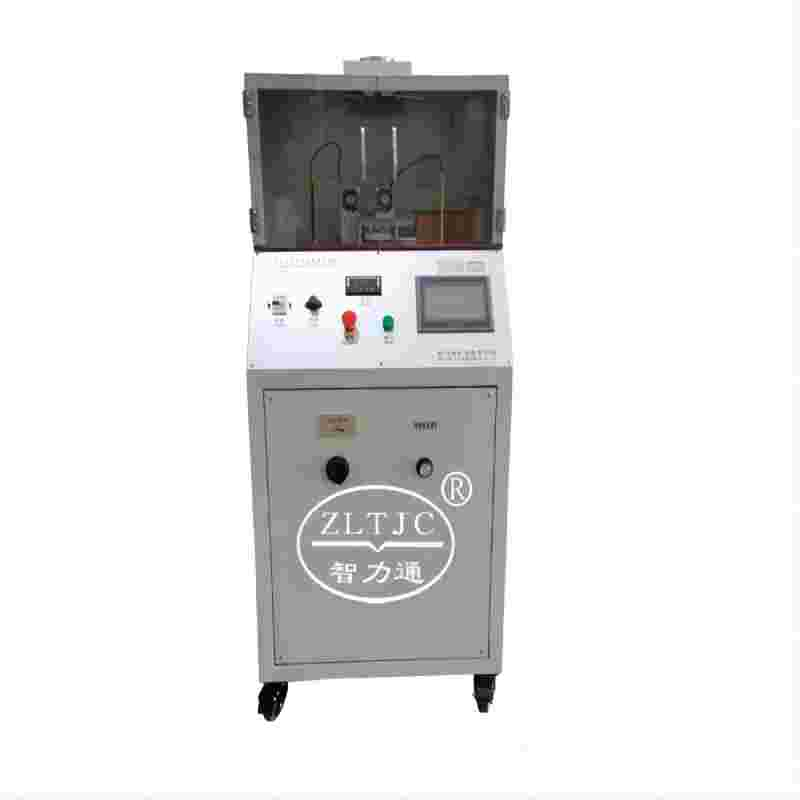
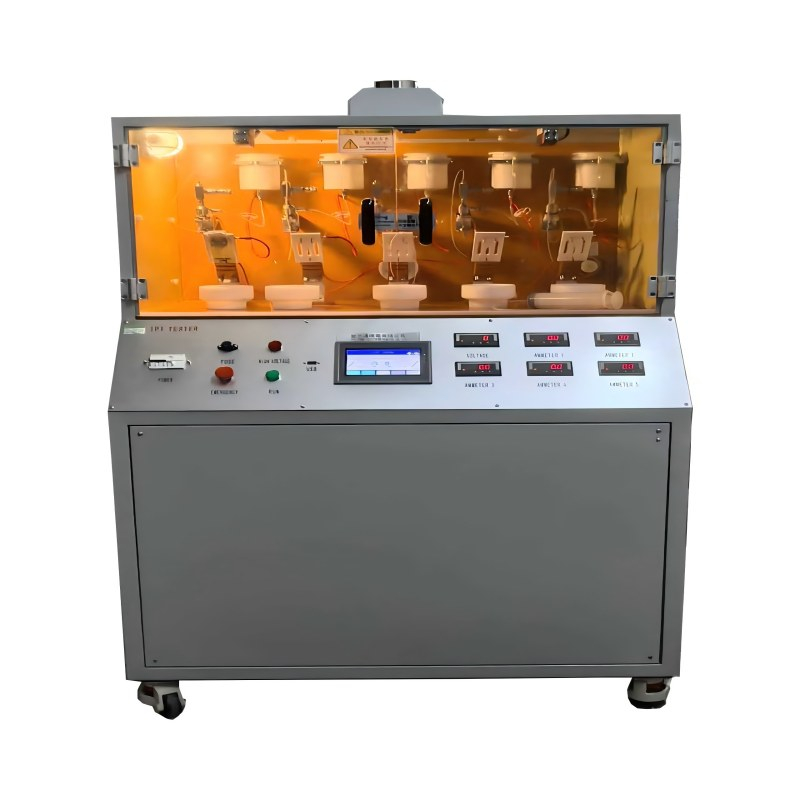
A flammability tester is a vital tool used to evaluate how materials react when exposed to fire. It determines the fire safety of products by testing their ability to ignite, spread flames, and release heat and smoke. By understanding how materials behave in high-temperature conditions, we can better predict their performance during a real fire.
Flammability testers measure several key parameters:
● Ignition Time: How long it takes for a material to catch fire.
● Flame Spread Rate: The speed at which flames move across the material.
● Heat Release: The total amount of heat generated during combustion.
● Smoke Production: The density and volume of smoke released, which can contribute to hazard and toxicity in a fire.
These parameters are essential for assessing the fire risk associated with materials and ensuring their safety in various environments. A material that resists rapid ignition, produces minimal smoke, and does not spread flames quickly is considered safer for use in construction, automotive, and consumer goods.
Types of Flammability Testers
Flammability testers come in different types, each suited for specific applications. Below are some of the most common testers used in industry today:
Horizontal vs. Vertical Flammability Testers
One key difference in flammability testing lies in the orientation of the sample material during testing:
● Horizontal Flammability Testers: The material is placed flat, and the flame is applied at one edge to observe how quickly the fire spreads across the surface.
● Vertical Flammability Testers: The material is placed upright, and the flame is applied from below. This test is designed to simulate conditions like materials falling into a fire.
Tester Type | Orientation | Primary Use |
Horizontal Tester | Horizontal | Measures surface spread of flames |
Vertical Tester | Vertical | Simulates materials falling into flames |
Each tester has specific uses based on the type of material and the fire scenario it simulates.
Cone Calorimeter Testers
For more advanced testing, Cone Calorimeter Testers are often used to evaluate the Heat Release Rate (HRR) of a material. These high-performance testers expose materials to intense heat and measure the total heat generated during combustion. The data collected can help researchers understand how much energy a material releases in a fire and how quickly the fire might spread. This is particularly important for materials used in high-risk environments, such as building materials, automotive parts, and aerospace components.
These testers also monitor other factors, such as smoke production and carbon dioxide emissions. By simulating a more controlled fire scenario, cone calorimeters provide a clearer picture of how a material will behave in an actual fire.
Oxygen Index Testers
Another crucial type of flammability tester is the Oxygen Index Tester, which measures the minimum concentration of oxygen needed to support combustion. This test is important for materials that are used in environments with varying oxygen levels, such as in aviation or space exploration. The tester exposes the material to decreasing oxygen levels until it no longer ignites.
The Oxygen Index is calculated as the percentage of oxygen needed to sustain combustion in the material. Materials with a higher oxygen index are more resistant to fire, making them safer for use in fire-sensitive environments.
Tester Type | Primary Purpose | Applications |
Oxygen Index Tester | Measures oxygen concentration for combustion | Aviation, space exploration |
Flammability testers provide critical data that helps manufacturers ensure their products meet safety standards and protect consumers. Each type of tester is designed to measure specific fire behavior characteristics, providing a comprehensive view of how materials will perform under real-world fire conditions. With accurate testing, we can make informed decisions that help reduce fire risks and improve safety across industries.
How Does a Flammability Tester Work?
The Testing Process Explained
Using a flammability tester involves several key steps, each designed to simulate real-world fire conditions and measure how a material reacts to heat. The process begins with sample preparation, where the material is cut into specific dimensions according to the testing standard. This ensures consistent results across tests.
Once prepared, the sample is placed into the testing chamber. Here, ignition sources such as a controlled flame or heat source are used to expose the material to fire. During the test, sensors track various factors such as temperature changes, flame spread, and smoke production. The precise testing conditions—like air flow, humidity, and temperature—are controlled to provide accurate and repeatable results. This data is collected in real-time by both sensors and high-speed cameras.
After the test, the data is analyzed to assess how quickly the material ignited, how the fire spread, and how much heat and smoke were produced. This analysis helps manufacturers understand the fire risk of their products and make necessary adjustments to improve safety.
What Are the Key Parameters Tested by Flammability Testers?
Flammability testers measure several critical factors, each of which plays a vital role in determining a material's fire risk:
Ignition Time
Ignition time is the amount of time it takes for a material to catch fire once exposed to heat or flame. Materials that ignite quickly pose a higher risk in fire-prone environments, such as homes or vehicles. Flammability testers measure this parameter carefully to ensure that materials will not easily catch fire in normal use.
Flame Spread Rate
The flame spread rate measures how quickly the flames move across the surface of a material once it has ignited. A higher flame spread rate indicates that the material will contribute to the rapid spread of a fire, making it a significant safety hazard. Flammability testers assess this rate to ensure that materials slow down the fire's progression in the event of a fire.
Parameter | Importance |
Ignition Time | Measures how quickly a material ignites |
Flame Spread Rate | Determines how fast the fire spreads |
Heat Release Rate
The heat release rate (HRR) is the amount of heat generated by a material during combustion. This factor is crucial in understanding how intense a fire might become if the material is involved. Materials with a high heat release rate can significantly contribute to the growth of a fire, making HRR a critical measure in fire safety. The Cone Calorimeter, for example, is commonly used to measure HRR.
Smoke Production
Another important parameter is smoke production, which measures the volume and density of smoke generated during combustion. High levels of smoke can create visibility issues and toxic environments in fires, making this an important safety consideration. Flammability testers track how much smoke is produced and whether it contains harmful substances, which can be crucial in evaluating the safety of materials used in buildings, vehicles, or consumer products.
These four key parameters—ignition time, flame spread rate, heat release rate, and smoke production—help manufacturers and safety experts assess the overall fire risk of materials. By understanding these factors, they can ensure that products meet safety standards and reduce the risk of fire-related hazards.
Standards and Regulations for Flammability Testing
Flammability Testing Standards
Flammability testing is guided by several globally recognized standards designed to ensure the safety and reliability of products. The primary organizations that set these standards include ASTM International, ISO, and the NFPA (National Fire Protection Association). These standards provide a structured approach to testing, helping manufacturers evaluate the fire risk of materials and ensuring they comply with safety regulations.
For example, ASTM standards cover everything from general flammability testing methods to specific tests for different materials, ensuring consistency and accuracy across industries. ISO standards are also critical, especially in global markets, as they help products meet international fire safety requirements. The NFPA focuses on fire safety codes and regulations for various industries, providing guidance on how to design fire-resistant materials and structures.
These standards offer a benchmark for manufacturers, ensuring that their products meet regulatory compliance and help reduce the risk of fire-related accidents.
Key Standards for Different Industries
Different industries rely on specific flammability testing standards to assess fire risks based on their unique needs. Below are some of the most widely used standards:
ASTM E84
ASTM E84 is one of the most widely used standards for assessing the surface burning characteristics of building materials. It measures how a material burns when exposed to fire and evaluates its ability to limit the spread of flames. This test is crucial for materials like insulation, drywall, and ceiling tiles, ensuring they will not contribute to the rapid spread of fire in buildings.
Standard | Primary Use | Materials Tested |
ASTM E84 | Surface burning characteristics of materials | Building materials like walls, ceilings, and insulation |
NFPA 701
NFPA 701 focuses on the flammability of fabrics used in interior furnishings. This standard is essential for ensuring that materials used in furniture, curtains, and other interior products will not catch fire easily. It helps manufacturers produce fabrics that meet safety requirements, reducing the risk of fire in residential and commercial spaces.
EN 71-2
In the realm of children's products, EN 71-2 sets safety requirements for the flammability of toys. This standard ensures that toys, especially plush ones, don't ignite too quickly when exposed to a small flame or spark. It is a critical standard for manufacturers who produce toys, as it helps protect children from fire hazards.
The Role of Certifications and Accreditation
Certification and accreditation play a crucial role in maintaining the accuracy and reliability of flammability tests. Standards like ISO/IEC 17025 ensure that testing labs meet high levels of competence in carrying out fire safety tests. Accreditation bodies such as A2LA and IAS perform audits and inspections to confirm that testing laboratories are consistently following strict guidelines.
By achieving these certifications, labs guarantee that their test results are reliable and accepted worldwide. Certification not only helps ensure compliance with regulations but also enhances the credibility of the testing process. For manufacturers, choosing an accredited testing lab ensures their products undergo rigorous, high-quality testing that meets both national and international safety standards.
Certification/Accreditation | Purpose |
ISO/IEC 17025 | Ensures laboratory competence and accuracy |
A2LA | Accredits labs for consistent quality control |
IAS | Verifies compliance with fire safety standards |
Accreditation ensures manufacturers and consumers alike can trust the accuracy and consistency of flammability tests, reducing the risk of fire-related accidents and enhancing product safety.
Applications of Flammability Testers Across Industries
Construction Industry
Flammability testing plays a crucial role in the construction industry, particularly when it comes to materials like insulation, flooring, and walls. Building materials must meet specific fire safety standards to prevent the spread of flames and provide sufficient time for evacuation in case of a fire. By testing materials for their ignition time, flame spread rate, and heat release, manufacturers can ensure that their products will not contribute to a fire’s intensity. This testing ensures that the materials used in homes, offices, and commercial buildings comply with safety regulations, significantly reducing fire hazards.
For example, insulation materials in walls are tested to ensure that they will not easily catch fire and contribute to the rapid spread of flames. Similarly, flooring and wall coverings must be able to withstand heat without emitting harmful smoke or toxic gases. These tests guarantee that, in the event of a fire, people inside the building will have enough time to evacuate and the fire will not quickly spread through key structural elements.
Material Type | Flammability Test | Purpose |
Insulation Materials | Horizontal/Vertical Burn Tests | Prevent rapid flame spread in buildings |
Flooring and Wall Coverings | Heat Release Rate | Ensure safe evacuation time during fires |
Automotive Industry
In the automotive industry, flammability testing is crucial for ensuring that car parts like upholstery and headliners are fire-resistant. Vehicles are required to meet stringent fire safety standards, especially when it comes to interior materials that could easily catch fire during a crash or accident. Flammability testers assess the ignition time, flame spread, and heat release of these materials to ensure they will not contribute to the spread of flames in the event of a vehicle fire.
For example, in the case of a car accident, the materials inside the vehicle—like seat covers or dashboard materials—could quickly catch fire if not properly tested. Flammability testing helps manufacturers design fire-resistant components, reducing the risk of fires after a crash. These tests also ensure that the vehicle meets legal safety standards and protects passengers from potential fire hazards during a collision.
Car Component | Flammability Test | Purpose |
Upholstery and Seat Covers | Vertical/Horizontal Burn Tests | Prevent fires from spreading in case of a crash |
Dashboard Materials | Heat Release Rate | Minimize risk of combustion during accidents |
Consumer Goods and Textiles
Flammability testing is just as essential for everyday consumer goods, including clothing, furniture, and children's toys. For these products, ensuring fire safety is not only a matter of consumer protection but also legal compliance. Fabrics used in clothing, furniture cushions, and bedding must be rigorously tested to prevent accidents, particularly in homes where the risk of fire is high.
Children’s toys, especially soft toys and stuffed animals, must pass flammability tests to ensure they won’t ignite too easily. Standards like EN 71-2 govern the flammability of toys, ensuring they are safe for children to play with. For adults, furniture fabrics undergo similar testing to ensure they won't catch fire easily when exposed to an open flame or high heat. These tests help manufacturers meet fire safety regulations and ensure their products are safe for everyday use.
Product Type | Flammability Test | Purpose |
Children's Toys | EN 71-2 Test | Ensure toys do not catch fire easily |
Furniture and Upholstery | Horizontal/Vertical Burn Tests | Reduce the risk of fire hazards in homes |
Clothing | ASTM D1230 Test | Ensure fire resistance in fabrics |
Testing these products helps to ensure that materials are fire-resistant and safe for use in homes, schools, and other environments where fire risks are present. It also ensures compliance with safety regulations, protecting both manufacturers and consumers.
By conducting these critical tests, industries across the board can reduce fire risks and ensure that their products meet the necessary fire safety standards. From construction materials to vehicles and everyday consumer goods, flammability testing plays an essential role in keeping both people and property safe from fire hazards.
Benefits of Using a Flammability Tester
Ensuring Product Safety and Compliance
One of the primary benefits of using a flammability tester is that it ensures products meet fire safety regulations. Companies in industries like construction, automotive, and consumer goods must comply with strict fire safety standards. Flammability testers help manufacturers verify that their materials and products can withstand fire or heat exposure without contributing to the spread of flames or producing hazardous smoke.
For instance, in the building industry, flammability testing ensures that insulation, flooring, and wall materials are safe and will not easily ignite or fuel a fire. In the automotive sector, testing upholstery and dashboard materials guarantees they will not catch fire quickly in the event of a crash. By adhering to these fire safety standards, manufacturers can avoid costly legal issues, product recalls, and potential lawsuits.
Industry | Product Tested | Compliance Standard |
Construction | Insulation, flooring, wall materials | ASTM E84, ISO 3795 |
Automotive | Upholstery, dashboard materials | FMVSS 302, ISO 3795 |
Consumer Goods & Textiles | Clothing, furniture, toys | EN 71-2, ASTM D1230 |
Risk Mitigation
Flammability testing plays an essential role in identifying and mitigating fire risks before products reach the market. By conducting tests on materials and products, companies can identify weaknesses, such as fast ignition times or excessive smoke production. This allows manufacturers to adjust the design, composition, or manufacturing processes to make the product safer.
For example, a company that tests children’s toys for flammability can identify materials that catch fire too quickly and replace them with safer, fire-resistant alternatives. In the automotive industry, flammability testing on car upholstery can uncover risks that might lead to fires in the event of an accident, prompting manufacturers to switch to more fire-resistant fabrics. Testing proactively reduces the likelihood of accidents and helps prevent costly recalls.
Example of Risk Mitigation:
Tested Item | Identified Risk | Solution |
Upholstery in cars | Quick flame spread and heat release | Replace fabric with flame-resistant material |
Children's toys | Excessive smoke production | Use non-toxic, fire-resistant fibers |
Reputation and Consumer Confidence
Passing flammability tests not only ensures compliance and safety but also enhances a brand's reputation and boosts consumer confidence. In today’s competitive market, customers are more likely to trust brands that demonstrate a commitment to safety and quality. When consumers know a product has passed rigorous flammability tests, they feel more secure using it in their homes, vehicles, or workplaces.
For example, a clothing manufacturer that ensures its garments meet fire safety standards gains credibility and trust, particularly for items like children's sleepwear or flame-resistant uniforms. In turn, this trust leads to stronger brand loyalty, higher sales, and positive reviews. By integrating flammability testing into their product development, manufacturers can promote their dedication to quality and safety, differentiating themselves from competitors who may overlook this crucial testing.
Benefit | Outcome |
Passing flammability tests | Increased consumer trust and sales |
Safety compliance | Enhanced brand reputation |
Fire-safe products | Positive consumer reviews |
The reassurance of knowing that products have undergone thorough flammability testing enhances customer satisfaction and strengthens long-term relationships between brands and consumers.
Conclusion
Flammability testers play a critical role in ensuring fire safety across industries like construction, automotive, and consumer goods. By testing materials for their ignition time, flame spread rate, and heat release, these testers help companies comply with safety regulations and mitigate fire risks.
The need for continuous innovation and research in flammability testing remains vital to keep up with evolving materials and technologies. As industries develop new products, reliable fire safety testing ensures that these innovations do not compromise safety.
Zhilitong offers reliable flammability testing solutions that help manufacturers ensure their products meet the highest safety standards. Their products provide essential value by ensuring compliance and reducing fire risks in various sectors.
FAQ
Q: What is a flammability tester?
A: A flammability tester is a device used to measure how materials react to fire. It evaluates key properties such as ignition time, flame spread rate, heat release, and smoke production.
Q: Why is a flammability tester important?
A: A flammability tester ensures that materials meet fire safety regulations. It helps prevent fire hazards by identifying products that could pose risks in the event of a fire.
Q: How does a flammability tester work?
A: A flammability tester exposes a material to controlled flame or heat. It then measures the material's ignition time, flame spread, heat release, and smoke production to evaluate its fire resistance.
Q: What industries use flammability testers?
A: Industries such as construction, automotive, and consumer goods use flammability testers to ensure their materials meet fire safety standards and reduce fire risks.
Q: Can a flammability tester help with compliance?
A: Yes, a flammability tester ensures that products comply with fire safety regulations, helping companies avoid legal issues and improve consumer safety.
Q: What are the benefits of using a flammability tester?
A: Using a flammability tester helps mitigate fire risks, ensures compliance with safety standards, and boosts consumer trust in fire-resistant products.


