IP rating testing is a standardized process used to evaluate how well enclosures protect against solid objects, water, and unintended contact. Across industries such as electronics, automotive systems, industrial equipment, and outdoor infrastructure, IP rating testing defines whether a product can operate reliably under environmental exposure. As products are increasingly deployed in demanding conditions, IP rating testing has become a critical part of product validation and certification.
The structure of IP rating testing is based on internationally recognized standards that define both test methods and performance expectations. These standards ensure that results are consistent and comparable across different laboratories and regions. From dust chambers to water spray systems and test probes, IP rating testing requires a coordinated combination of equipment to accurately simulate real-world conditions.
Key Takeaways
● IP rating testing evaluates protection against dust, water, and human access
● Each IP code corresponds to standardized test methods and equipment
● Dust, water, and probe testing require different testing systems
● IEC 60529 defines global IP rating testing requirements
● Equipment selection depends on application, size, and certification needs
What Is an IP Rating
Definition of IP Rating
IP rating stands for Ingress Protection rating, which classifies the degree of protection provided by an enclosure against intrusion from solids and liquids. IP rating testing is used to verify whether a product meets the specified protection level under controlled conditions. Each rating is expressed as “IP” followed by two digits, representing protection against solids and liquids respectively.
The first digit indicates resistance to solid objects such as dust or particles, while the second digit defines resistance to water exposure. IP rating testing ensures that both aspects are evaluated using standardized methods. Without proper IP rating testing, it is not possible to validate the durability or safety of a product exposed to environmental factors.
The relevance of IP rating testing extends beyond certification, as it directly influences product reliability and long-term performance. In many applications, insufficient protection can lead to failure, making IP rating testing a necessary step in design validation.
Purpose of IP Rating Testing
The purpose of IP rating testing is to simulate environmental conditions in a controlled and repeatable manner. This ensures that products can withstand exposure scenarios such as dust accumulation, splashing water, or high-pressure jets. By conducting IP rating testing, manufacturers can identify potential weaknesses in enclosure design.
Another key purpose is compliance with international standards. Many markets require proof of IP rating testing before products can be sold or installed. This requirement makes IP rating testing an essential part of global product development.
In addition, IP rating testing contributes to quality assurance by providing measurable performance criteria. Test results offer a clear indication of whether a product meets its intended protection level.
Decoding the IP Code: What the Numbers Really Mean
First Digit: Protection from Solids (0–6)
The first digit in IP rating testing represents protection against solid objects, ranging from large objects such as hands to fine dust particles. Higher numbers indicate greater protection, with IP6X representing complete dust-tight performance. IP rating testing for solids typically involves controlled environments where particles are introduced under defined conditions.
Dust testing is commonly performed using sealed chambers where fine particles are circulated around the test sample. Vacuum conditions may be applied to simulate real-world pressure differences. IP rating testing ensures that no harmful dust enters the enclosure at higher protection levels.
Understanding the solid protection level is essential for products used in industrial or outdoor environments. IP rating testing provides a consistent framework for evaluating these conditions.
Second Digit: Protection from Liquids (0–9K)
The second digit in IP rating testing defines resistance to water exposure, ranging from dripping water to high-pressure jets and immersion. Each level corresponds to a specific test method involving controlled water flow, pressure, and duration.
Water-related IP rating testing includes a variety of equipment such as drip boxes, oscillating tubes, and jet nozzles. These systems replicate different types of water exposure, ensuring that the enclosure can withstand real-world conditions. IP rating testing at higher levels requires precise control of pressure and flow rate.
Accurate execution of water tests is critical, as even small deviations can affect results. IP rating testing ensures that all parameters are maintained within defined limits.
IP Rating Testing Methods and Equipment
Dust Testing Equipment (IP5X/IP6X)
Dust testing is a key component of IP rating testing for solid protection. Equipment used for this purpose includes dust chambers designed to circulate fine particles around the test specimen. These chambers maintain controlled conditions to ensure consistent exposure during IP rating testing.
In some cases, vacuum systems are integrated to simulate pressure differences that may draw dust into the enclosure. IP rating testing at IP6X requires complete sealing, meaning no dust ingress is allowed under test conditions. This level of testing is critical for products operating in harsh environments.
Proper design and calibration of dust chambers are essential to maintain the integrity of IP rating testing. Variations in particle size or airflow can influence results.
Water Testing Equipment (IPX1–IPX9K)
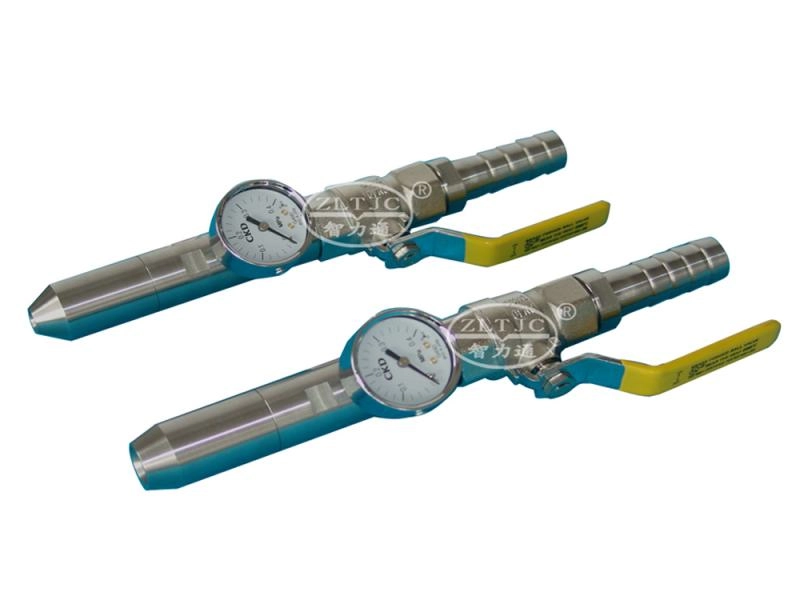
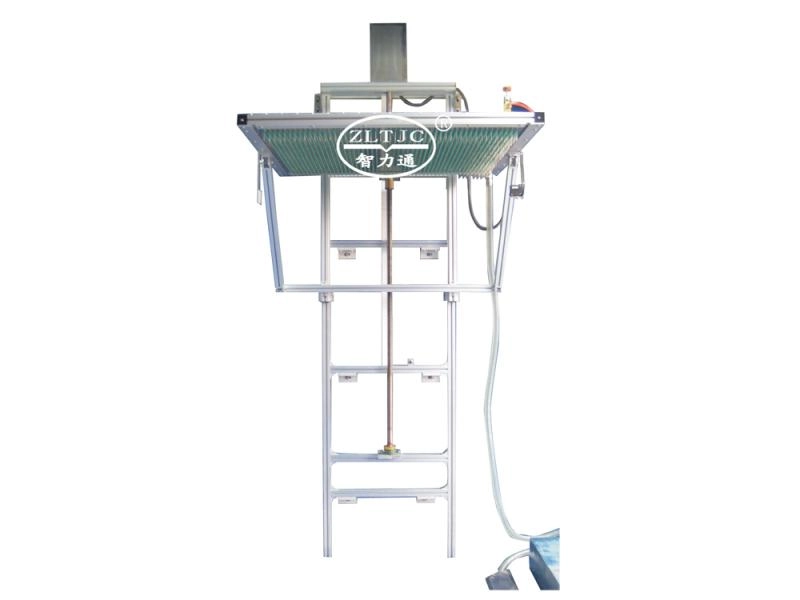
Water testing within IP rating testing involves multiple types of equipment, each corresponding to a specific IP level. Drip boxes are used for IPX1 and IPX2 tests, while oscillating tubes are used for IPX3 and IPX4. For IPX5 and IPX6, jet nozzle systems simulate water jets with controlled pressure.
Equipment Type | IP Levels | Key Function |
Drip box | IPX1–IPX2 | Simulates vertical dripping |
Oscillating tube | IPX3–IPX4 | Provides spray and splash |
Jet nozzle system | IPX5–IPX6 | Simulates water jets |
Each type of equipment plays a specific role in IP rating testing, ensuring that different exposure conditions are accurately replicated. Consistency in water distribution and pressure is critical for valid results.
Access Protection Testing (Test Probes)
Access protection is another important aspect of IP rating testing, focusing on preventing contact with hazardous parts. This is evaluated using standardized test probes that simulate fingers, tools, or wires. IP rating testing for access protection ensures that users cannot accidentally touch live components.
Test probes are designed according to standards such as IEC 61032, which defines dimensions and testing procedures. IP rating testing using probes verifies both safety and compliance with regulations.
This type of testing is particularly important for electrical devices and industrial equipment, where accidental contact can pose serious risks.
Optional Letters & Standards Cross-Reference
What Do the Optional Letters Mean
Optional letters in IP rating testing provide additional information about protection against access or specific conditions. These letters indicate the type of object used during testing, such as fingers or tools.
While not always included, optional letters can provide further clarity on test conditions. IP rating testing uses these designations to ensure precise communication of protection levels.
Understanding these letters is important when interpreting detailed specifications or compliance documents.
How IP Compares to Other Standards
ISO 20653 (Automotive)
ISO 20653 extends IP rating testing for automotive applications, introducing additional test levels such as IPX9K. These tests involve high-temperature and high-pressure water jets.
NEMA Ratings (U.S.)
NEMA ratings are used in North America and differ from IP rating testing by including additional factors such as corrosion resistance and environmental durability.
UL Enclosure Types
UL standards focus on safety and construction requirements, complementing IP rating testing by addressing broader certification criteria.
Decoding Common IP Ratings: What They Actually Mean
Common IP Ratings Explained
IP Rating | Protection Level | Typical Application |
IP44 | Splash resistance | Indoor lighting |
IP54 | Dust and splash protection | Electrical panels |
IP65 | Dust-tight and water jets | Outdoor equipment |
IP67 | Temporary immersion | Portable devices |
IP68 | Continuous immersion | Submersible devices |
IP rating testing validates these protection levels through standardized procedures. Each rating corresponds to specific test conditions that must be met.
Is a Higher Number Always Better
Higher IP ratings indicate stronger protection, but they may not always be necessary. IP rating testing should align with actual usage conditions rather than aiming for the highest possible rating.
Over-specifying protection can increase cost and complexity without practical benefit. IP rating testing helps determine the appropriate level based on application requirements.
Selecting the correct rating ensures balanced performance and efficiency.
Real-World Examples of IP Ratings in Action
Smartphones: Water Resistant, Not Waterproof
Smartphones often carry IP67 or IP68 ratings, meaning they can withstand immersion under specific conditions. IP rating testing ensures these devices meet defined criteria, but real-world usage may vary.
Speakers and Earbuds: Rain? Yes. Shower? Maybe.
Portable audio devices typically feature moderate IP ratings, allowing them to handle splashes but not prolonged exposure. IP rating testing defines these limitations clearly.
Industrial Enclosures: Rugged and Reliable
Industrial equipment often requires high IP ratings to withstand dust and water exposure. IP rating testing ensures these systems remain operational in demanding environments.
How IP Rating Testing Is Performed
Independent Lab Testing
IP rating testing is typically conducted in controlled laboratory environments where conditions can be precisely managed. Independent labs ensure impartial verification of results.
The Test Setup
Turntables (Dust Tests)
Turntables are used to rotate samples during dust exposure, ensuring uniform coverage during IP rating testing.
Spray Nozzles (Water Tests)
Spray systems deliver controlled water flow for various test levels. IP rating testing relies on accurate nozzle calibration.
Immersion Tanks (IPX7/IPX8)
Immersion tanks are used for submersion tests, maintaining specific depth and duration conditions during IP rating testing.
Factors Affecting Real-World Durability
Wear and Tear Matters
Repeated use can degrade seals and materials, affecting performance over time. IP rating testing represents initial conditions, not long-term wear.
Environmental Changes
Temperature, humidity, and chemical exposure can influence durability. IP rating testing provides a baseline, but real-world conditions may vary.
Choosing the Right IP Rating for Your Needs
Indoor or Dry Use: Keep It Simple
Lower IP ratings may be sufficient for controlled environments. IP rating testing confirms basic protection levels.
Splash Zones: Go Moderate
Moderate IP ratings provide protection against splashes. IP rating testing ensures reliability in such conditions.
Dusty or Dirty Areas: Focus on Solids
High solid protection is essential in dusty environments. IP rating testing verifies enclosure sealing.
Water Jets or Full Immersion: Go Higher
Higher ratings are required for extreme conditions. IP rating testing ensures compliance with demanding scenarios.
Beyond IP: What Else to Consider for Long-Term Protection
Mechanical Impact: IK Ratings
IK ratings evaluate resistance to impact, complementing IP rating testing.
UV & Sunlight Exposure
UV exposure can degrade materials, affecting long-term protection.
Corrosion Resistance
Corrosion resistance is critical in harsh environments and should be considered alongside IP rating testing.
Conclusion
IP rating testing provides a comprehensive framework for evaluating protection against dust, water, and access. By combining standardized methods with appropriate equipment, it ensures consistent and reliable results across industries. From dust chambers to water spray systems and test probes, each component plays a role in achieving accurate testing outcomes.
A well-structured IP rating testing system supports compliance, enhances product durability, and ensures readiness for global markets. ZHILITONG offers a complete range of IP rating testing equipment designed to meet IEC standards and support flexible testing configurations.
FAQ
What does an IP rating mean for my product?
IP rating testing defines how well a product resists solids and liquids under controlled conditions.
How often should IP testing equipment be calibrated?
Calibration is typically performed annually, depending on usage frequency.
Can IP testing be done manually?
Manual testing is possible but requires strict control of parameters.
What is IPX9K?
IPX9K represents high-pressure, high-temperature water jet testing.
Why is IP testing important?
IP rating testing ensures compliance, safety, and product reliability.


